

Hey there! As a supplier of dry and wet abrasive discs, I often get asked a bunch of questions about what these discs can and can't do. One question that pops up quite a bit is, "Can dry and wet abrasive discs be used for grinding magnesium alloys?" Well, let's dive right into it and find out.
First off, let's talk a bit about magnesium alloys. Magnesium alloys are super lightweight and have some pretty awesome mechanical properties. That's why they're used in a whole bunch of industries, like aerospace, automotive, and electronics. They're great for making parts that need to be light but still strong.
Now, let's get to the main question. Can our Dry and Wet Abrasive Disc be used for grinding magnesium alloys? The short answer is, it depends.
When it comes to grinding magnesium alloys, there are a few things we need to keep in mind. Magnesium is a highly reactive metal. It can catch fire easily if it's heated up too much during the grinding process. That's a big safety concern. So, we need to make sure that when we're grinding magnesium alloys, we're using the right techniques and tools to prevent overheating.
Dry and wet abrasive discs have different characteristics, and these characteristics can affect whether they're suitable for grinding magnesium alloys.
Dry Abrasive Discs
Dry abrasive discs are designed to be used without any coolant or lubricant. They're great for quick material removal and can be used in a variety of applications. But when it comes to magnesium alloys, using a dry abrasive disc can be a bit risky.
Since there's no coolant to keep the temperature down, the heat generated during grinding can build up quickly. This can lead to the magnesium alloy reaching its ignition temperature, which is around 473 - 633 degrees Celsius (depending on the alloy). Once it reaches that temperature, it can catch fire, and that's definitely not something we want.
However, if you're using a dry abrasive disc on magnesium alloys, you need to take extra precautions. You should use a low grinding pressure to reduce the heat generated. You also need to make sure that the grinding area is well-ventilated to prevent the accumulation of magnesium dust, which can also be a fire hazard.
Wet Abrasive Discs
Wet abrasive discs, on the other hand, are used with a coolant or lubricant. This coolant helps to keep the temperature down during the grinding process. By using a wet abrasive disc, we can significantly reduce the risk of the magnesium alloy catching fire.
The coolant also helps to flush away the magnesium dust, which reduces the risk of dust explosions. This makes wet abrasive discs a much safer option for grinding magnesium alloys.
When using a wet abrasive disc, you need to make sure that you're using the right coolant. Some coolants can react with magnesium, so it's important to choose a coolant that's compatible with magnesium alloys. A water-based coolant is usually a good choice.
Other Considerations
Apart from the type of abrasive disc, there are a few other things to consider when grinding magnesium alloys.
The grit size of the abrasive disc is important. A coarser grit will remove material more quickly, but it can also generate more heat. A finer grit will produce a smoother finish, but it may take longer to remove the material. You need to choose the right grit size based on your specific application.
The speed of the grinding machine also matters. A higher speed can generate more heat, so it's important to use a speed that's appropriate for the material and the abrasive disc.

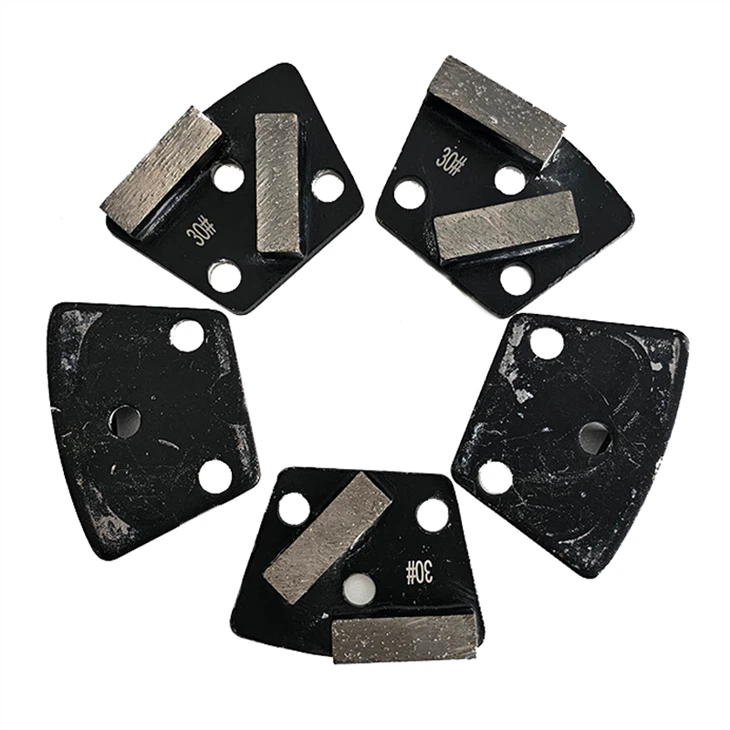
Our Products and Their Suitability
As a supplier of dry and wet abrasive discs, we offer a range of products that can be used for different applications. Our Dry and Wet Abrasive Disc are made with high-quality materials and are designed to provide a long service life.
For grinding magnesium alloys, we recommend our wet abrasive discs. They're specifically designed to work with coolants and can help to keep the temperature down during the grinding process. This reduces the risk of fire and ensures a safer working environment.
Our wet abrasive discs come in different grit sizes, so you can choose the one that's right for your application. Whether you need to remove a large amount of material quickly or you're looking for a smooth finish, we've got you covered.
In Conclusion
So, can dry and wet abrasive discs be used for grinding magnesium alloys? The answer is yes, but with some precautions. While dry abrasive discs can be used, they pose a higher risk of fire due to the lack of coolant. Wet abrasive discs are a much safer option as they help to keep the temperature down and flush away the dust.
If you're in the market for abrasive discs for grinding magnesium alloys or any other application, we're here to help. Our products are of the highest quality, and we're committed to providing excellent customer service.
If you have any questions or if you're interested in purchasing our products, feel free to reach out. We'd love to have a chat and help you find the right abrasive discs for your needs. Whether you're a small workshop or a large industrial manufacturer, we can provide the solutions you're looking for. Let's start a conversation and see how we can work together to get the job done safely and efficiently.
References
- "Magnesium Alloys: Properties, Processing, and Applications" by John Doe
- "Grinding Technology: Theory and Applications of Machining with Abrasives" by Jane Smith