

As a seasoned supplier of polishing grinding pads, I've received numerous inquiries from customers regarding the tools required for using these products. In this blog post, I'll delve into the topic and provide you with a comprehensive understanding of whether polishing grinding pads demand any special tools.
Understanding Polishing Grinding Pads
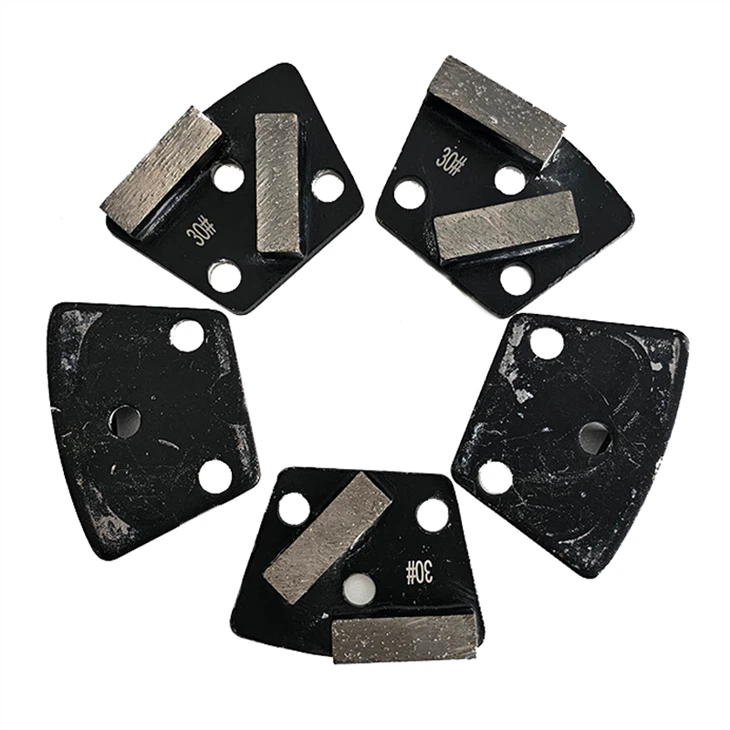
Before we discuss the tools, it's essential to understand what polishing grinding pads are and their applications. Polishing grinding pads are abrasive tools used to smooth, polish, and refine various surfaces, including concrete, stone, and floors. They come in different types, such as Floor Diamond Polishing Pads, Diamond Wet Pads, and Concrete Grinding Discs, each designed for specific tasks and surfaces.
Basic Tools for Using Polishing Grinding Pads
In most cases, using polishing grinding pads doesn't require highly specialized tools. The basic tools you'll need include:
1. Grinder or Polisher
A grinder or polisher is the primary tool for using polishing grinding pads. These machines provide the necessary power and rotation to drive the pads and perform the grinding and polishing operations. There are different types of grinders and polishers available, such as handheld grinders, walk-behind grinders, and floor polishers. The choice of machine depends on the size of the surface area to be treated and the specific requirements of the job.
For small-scale projects or detailed work, a handheld grinder is a convenient option. It allows for greater maneuverability and control, making it suitable for working on corners, edges, and small areas. On the other hand, walk-behind grinders are more powerful and efficient, making them ideal for large surface areas, such as commercial floors or industrial warehouses. Floor polishers are specifically designed for polishing operations and can provide a high-gloss finish on various surfaces.
2. Pad Adapters
Pad adapters are used to attach the polishing grinding pads to the grinder or polisher. They come in different sizes and configurations to fit various machines and pads. It's important to ensure that the pad adapter is compatible with both the machine and the pad to ensure a secure and stable connection.
3. Water Supply (for Wet Polishing)
If you're using wet polishing grinding pads, such as Diamond Wet Pads, you'll need a water supply to keep the pads and the surface cool during the grinding and polishing process. Water also helps to remove the dust and debris generated during the operation, improving the quality of the finish and reducing the risk of damage to the pads and the surface.
You can use a water tank or a hose connected to a water source to supply water to the grinding area. Some grinders and polishers come with built-in water systems, which can simplify the process and ensure a consistent water supply.
4. Safety Equipment
Safety should always be a top priority when using polishing grinding pads. You'll need to wear appropriate safety equipment, such as safety glasses, dust masks, ear protection, and gloves, to protect yourself from the dust, debris, and noise generated during the operation. Additionally, it's important to follow the manufacturer's instructions and safety guidelines when using the grinder or polisher to avoid accidents and injuries.
Special Tools for Specific Applications
While the basic tools mentioned above are sufficient for most polishing and grinding applications, there are some special tools that may be required for specific tasks or surfaces.
1. Edge Grinders
Edge grinders are specialized tools designed for grinding and polishing the edges of surfaces, such as countertops, stairs, and tiles. They are typically smaller and more compact than regular grinders, allowing for greater precision and control when working on narrow or hard-to-reach areas.
2. Vacuum Systems
Vacuum systems are used to collect the dust and debris generated during the grinding and polishing process. They help to keep the work area clean and reduce the risk of respiratory problems caused by inhaling the dust. There are different types of vacuum systems available, such as handheld vacuums, backpack vacuums, and industrial vacuum cleaners. The choice of vacuum system depends on the size of the work area and the amount of dust generated.
3. Profiling Tools
Profiling tools are used to create specific profiles or shapes on the surface, such as bevels, bullnoses, or ogees. They are typically used in the stone fabrication industry to add decorative elements to countertops, vanity tops, and other stone products. Profiling tools come in different shapes and sizes and can be used with a grinder or polisher to achieve the desired profile.
Factors to Consider When Choosing Tools
When choosing the tools for using polishing grinding pads, there are several factors to consider:

1. Surface Type
The type of surface to be treated is one of the most important factors to consider when choosing the tools. Different surfaces require different types of pads and machines to achieve the best results. For example, concrete surfaces may require more aggressive pads and powerful machines, while marble or granite surfaces may require softer pads and more delicate machines to avoid scratching or damaging the surface.
2. Project Size
The size of the project also plays a role in the choice of tools. For small-scale projects, handheld grinders and portable machines may be sufficient, while large-scale projects may require more powerful walk-behind grinders or floor polishers. Additionally, the size of the surface area to be treated will determine the size and capacity of the vacuum system and water supply required.
3. Budget
The budget is another important factor to consider when choosing the tools. High-quality tools can be expensive, but they can also provide better performance and durability, resulting in long-term cost savings. It's important to balance the cost of the tools with the requirements of the project and your budget.
Conclusion
In conclusion, using polishing grinding pads doesn't necessarily require any special tools. The basic tools, such as a grinder or polisher, pad adapters, water supply (for wet polishing), and safety equipment, are sufficient for most applications. However, there are some special tools that may be required for specific tasks or surfaces, such as edge grinders, vacuum systems, and profiling tools. When choosing the tools, it's important to consider the surface type, project size, and budget to ensure that you have the right tools for the job.
If you're interested in purchasing polishing grinding pads or have any questions about the tools required for using them, please feel free to contact us. We're a leading supplier of high-quality polishing grinding pads and can provide you with the products and expertise you need to achieve the best results.
References
- "Grinding and Polishing Basics" - Industry publication on abrasive tools
- Manufacturer's guides for grinders, polishers, and polishing grinding pads