

As a well - established crane supplier, I've spent years observing and understanding how cranes move on the ground. This process is a fascinating blend of engineering and physics, and it plays a crucial role in the efficiency and safety of construction projects.
Types of Crane Movement on the Ground
Crawler Cranes
Crawler cranes are a common sight on large construction sites. These cranes are equipped with a set of tracks instead of wheels. The tracks, similar to those on a tank, are made up of a series of metal plates connected by pins. This design distributes the crane's weight over a large area, which is particularly useful when working on soft or uneven ground.
The movement of crawler cranes is powered by hydraulic motors. These motors drive the sprockets, which in turn move the tracks. The operator can control the speed and direction of the crane by adjusting the flow of hydraulic fluid to the motors. One of the key advantages of crawler cranes is their stability. The wide track base and low center of gravity make them less likely to tip over, even when carrying heavy loads. However, they are relatively slow - moving and require a large amount of space to maneuver.
Mobile Cranes
Mobile cranes are more versatile in terms of ground movement. They are mounted on a truck or a specially designed chassis with wheels. There are two main types of mobile cranes: truck - mounted cranes and rough - terrain cranes.
Truck - mounted cranes are designed to be easily transported on public roads. They can quickly move from one job site to another. Once at the site, outriggers are extended to provide additional stability. These outriggers are hydraulic arms that can be adjusted to level the crane and distribute the load evenly. The movement of the truck - mounted crane on the ground is similar to that of a regular truck. The engine powers the wheels through a transmission system, allowing the crane to move forward, backward, and turn.
Rough - terrain cranes, on the other hand, are built for off - road use. They have large, heavy - duty tires and a more robust suspension system. This enables them to navigate through uneven, muddy, or rocky terrain. The four - wheel drive and four - wheel steering capabilities of rough - terrain cranes give them excellent maneuverability in tight spaces. The operator can control the steering of the front and rear wheels independently, allowing for precise movement in various directions.
Factors Affecting Crane Movement on the Ground
Ground Conditions
The type of ground surface has a significant impact on how a crane can move. Soft ground, such as mud or sand, can cause the crane to sink or lose traction. In such cases, crawler cranes are often the preferred choice because their tracks can distribute the weight more evenly. Hard and flat surfaces, like concrete or asphalt, are ideal for all types of cranes as they provide good traction and support.
Uneven ground, including slopes and bumps, can also pose challenges. Cranes need to be carefully positioned and leveled to ensure stability. For example, when working on a slope, the crane's outriggers or tracks need to be adjusted to counteract the incline. Some advanced cranes are equipped with sensors that can detect the slope and automatically adjust the leveling system.
Load Capacity
The weight of the load being carried by the crane affects its movement on the ground. A heavily loaded crane requires more power to move and is more likely to cause damage to the ground surface. When moving with a load, the crane's center of gravity shifts, which can impact its stability. Operators need to follow strict guidelines regarding load capacity and movement speed to ensure safe operation.
For instance, a crawler crane may need to move more slowly when carrying a heavy load to maintain its balance. Mobile cranes may need to adjust the position of the load to keep the center of gravity within the safe range. The load's size and shape can also affect the crane's maneuverability, especially in tight spaces.
Weather Conditions
Weather can play a crucial role in crane movement. Rain, snow, and ice can make the ground slippery, reducing traction. In such conditions, operators need to take extra precautions, such as reducing the speed of the crane and using anti - skid devices. High winds can also affect the stability of the crane, especially when the boom is extended. Cranes may need to be parked or secured in place during strong winds to prevent accidents.
Advanced Technologies for Crane Movement
Remote Control Systems
Many modern cranes are now equipped with remote control systems. These systems allow the operator to control the crane's movement from a safe distance. The operator can use a handheld device to send signals to the crane's hydraulic and electrical systems. This is particularly useful in dangerous or hard - to - reach areas. Remote control systems also improve the precision of crane movement, as the operator can have a better view of the surroundings.
Automation and Autonomous Movement
The future of crane movement lies in automation and autonomous technology. Some cranes are being developed with the ability to move and perform tasks without direct human intervention. These cranes use sensors, cameras, and GPS technology to navigate the job site, avoid obstacles, and position themselves accurately. Automation can improve efficiency, reduce human error, and enhance safety on construction sites.
The Importance of Proper Crane Movement
Proper crane movement is essential for the success of construction projects. It ensures that materials and equipment can be transported to the right location in a timely manner. Efficient crane movement also reduces downtime and increases productivity. Moreover, it is crucial for the safety of the workers on the site. A crane that is not moved correctly can tip over, causing damage to property and endangering lives.
As a crane supplier, we understand the importance of providing high - quality cranes that can move safely and efficiently on the ground. We offer a wide range of cranes, including Construction Machine Dump Truck Crane and Crane for Concrete Grinder, to meet the diverse needs of our customers.
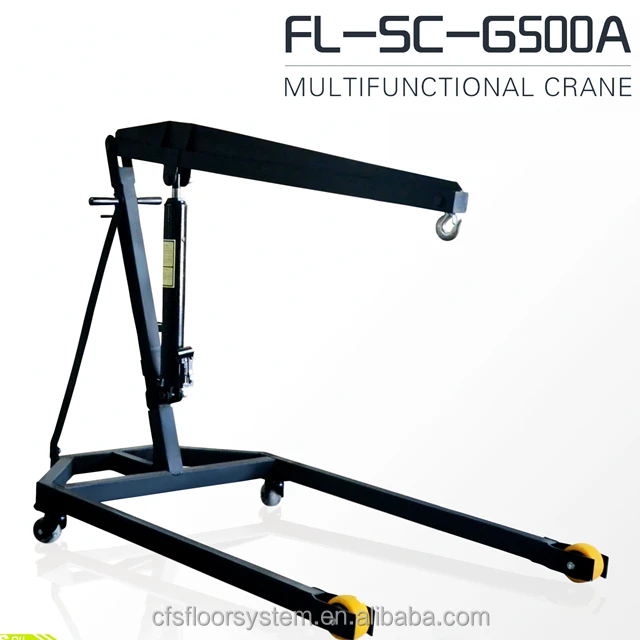

If you are in the market for a crane and need more information about how our cranes move on the ground or their other features, we encourage you to contact us for a detailed discussion. Our team of experts is ready to assist you in finding the right crane for your project.
References
- "Crane Handbook: A Guide to Crane Operation and Safety" by William A. Nash
- "Engineering Mechanics: Statics and Dynamics" by Russell C. Hibbeler
- Industry reports from the Construction Equipment Manufacturers Association