

When working with dry abrasive discs, one of the most challenging issues is dust control. As a supplier of dry and wet abrasive discs, I understand the importance of this problem and have accumulated a wealth of experience in dealing with it. In this blog, I'll share some effective strategies on how to control the dust when using dry abrasive discs.
Understanding the Risks of Dust
Before delving into the control methods, it's crucial to understand why dust control is so important. When using dry abrasive discs, especially for tasks like grinding concrete or metal, fine particles are released into the air. These dust particles can pose significant health risks. Inhalation of dust can lead to respiratory problems, such as asthma, chronic obstructive pulmonary disease (COPD), and even lung cancer in extreme cases. Moreover, dust can also contaminate the working environment, making it less safe and hygienic. It can settle on equipment, potentially causing malfunctions and reducing their lifespan.
Using Dust Collection Systems
One of the most effective ways to control dust when using dry abrasive discs is by employing a dust collection system. There are various types of dust collectors available in the market, each with its own advantages.
Portable Dust Collectors: These are ideal for small - scale projects or when working in different locations. Portable dust collectors can be easily moved around and connected to the dry abrasive disc tool. They usually have a suction mechanism that draws in the dust as it is generated. For example, some handheld power tools come with built - in ports that can be connected to a small, portable dust collector. This direct connection ensures that the dust is captured at the source, minimizing its spread in the air.
Centralized Dust Collection Systems: For larger workshops or industrial settings, centralized dust collection systems are a better option. These systems are designed to serve multiple workstations simultaneously. They consist of a large - capacity collector, a network of ducts, and hoods that are placed near the abrasive disc tools. The ducts transport the dust from the workstations to the central collector, where it is filtered and removed. Centralized systems are more efficient in handling large volumes of dust and can maintain a cleaner working environment across the entire facility.
Selecting the Right Abrasive Disc
The type of dry abrasive disc you choose can also have a significant impact on dust generation.
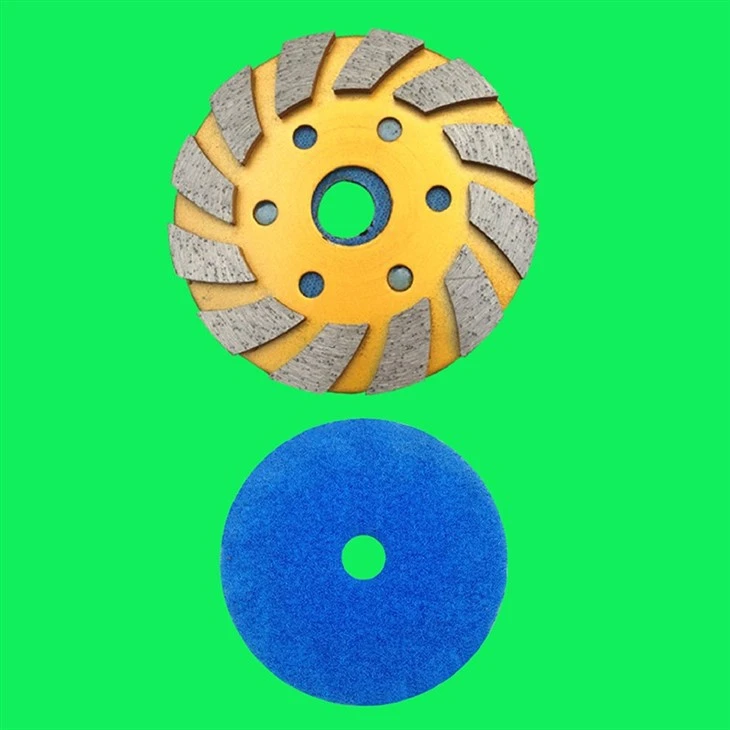
Low - Dust Abrasive Discs: Some manufacturers produce abrasive discs specifically designed to generate less dust. These discs are engineered with a unique abrasive grain structure and bonding system. For instance, they may have a more porous structure that allows the dust to be released in a more controlled manner, reducing the amount of airborne dust. As a supplier of Dry and Wet Four Inch Resin Abrasive Disc, we offer products that are optimized for low - dust operation.
Disc Size and Speed: The size and speed of the abrasive disc can also affect dust generation. Larger discs may generate more dust due to the increased surface area in contact with the material. Similarly, higher disc speeds can cause more aggressive grinding, leading to greater dust production. It's important to select the appropriate disc size and speed for the specific task at hand. For example, for fine - finishing work, a smaller disc operating at a lower speed may be more suitable as it will generate less dust while still achieving the desired result.
Implementing Proper Work Practices
In addition to using dust collection systems and the right abrasive discs, proper work practices can also contribute to effective dust control.
Enclosed Work Areas: Creating an enclosed work area can help contain the dust. This can be as simple as setting up a temporary barrier around the workbench using plastic sheeting. An enclosed area restricts the movement of dust, making it easier to capture with a dust collection system. It also protects other areas of the workshop from dust contamination.

Ventilation: Adequate ventilation is essential, even when using a dust collection system. Good ventilation helps to remove any remaining dust particles from the air. Opening windows and doors or using exhaust fans can improve air circulation in the work area. For indoor workshops, mechanical ventilation systems can be installed to ensure a continuous supply of fresh air and the removal of dust - laden air.
Regular Cleaning: Regularly cleaning the work area is crucial for dust control. Sweeping or vacuuming the floor, workbench, and equipment can prevent the accumulation of dust. It's important to use a vacuum cleaner with a HEPA (High - Efficiency Particulate Air) filter to ensure that even the smallest dust particles are captured.
Personal Protective Equipment (PPE)
Personal protective equipment is a vital part of dust control. Workers should always wear appropriate PPE when using dry abrasive discs.
Respirators: A respirator is essential to protect the lungs from inhaling dust particles. There are different types of respirators available, such as N95 or N100 respirators. These respirators are designed to filter out a high percentage of airborne particles. It's important to ensure that the respirator fits properly and is worn correctly at all times during the grinding process.
Safety Glasses and Face Shields: Safety glasses and face shields protect the eyes and face from dust and flying debris. They prevent dust from entering the eyes, which can cause irritation and potential damage.
Industry - Specific Considerations
Different industries may have specific requirements for dust control when using dry abrasive discs.
Concrete Grinding: In the concrete grinding industry, the dust generated is often very fine and can be particularly hazardous. Concrete Grinding Discs are commonly used for tasks such as floor leveling and surface preparation. When working with concrete, it's essential to use a high - efficiency dust collection system. Additionally, some contractors use water - misting systems in combination with dry abrasive discs. The water mist helps to suppress the dust by making the particles heavier and causing them to settle more quickly.
Metal Grinding: Metal grinding also produces dust, which can contain metal particles that may be harmful if inhaled. In metalworking shops, dust collection systems are often used in conjunction with magnetic separators. Magnetic separators can remove the metal dust from the air stream, reducing the risk of clogging the dust collector filters and improving the overall efficiency of the dust control system.
Conclusion
Controlling dust when using dry abrasive discs is a multi - faceted challenge that requires a combination of the right equipment, proper work practices, and personal protective equipment. As a supplier of dry and wet abrasive discs, we are committed to providing our customers with high - quality products that not only perform well but also help in minimizing dust generation. Whether you are a DIY enthusiast or a professional contractor, implementing these dust control strategies will not only create a safer working environment but also improve the overall quality of your work.
If you are interested in purchasing our dry and wet abrasive discs or have any questions about dust control, please feel free to contact us for further discussions. We are here to assist you in finding the best solutions for your specific needs.
References
- OSHA (Occupational Safety and Health Administration). "Respiratory Protection Standard".
- Manufacturer's guides for dust collection systems and abrasive discs.
- Industry research papers on dust control in grinding operations.