

Hey there! As a supplier of concrete dye hardener, I often get asked about its resistance to biological growth. It's a super important topic, especially when you're thinking about using concrete in various settings, from industrial floors to outdoor walkways. So, let's dive right in and explore what makes our Concrete Dye Hardener a great choice when it comes to keeping biological growth at bay.
What is Biological Growth on Concrete?
First things first, we need to understand what we're up against. Biological growth on concrete can come in many forms. We're talking about things like algae, moss, fungi, and bacteria. These little critters love to make themselves at home on concrete surfaces, especially in damp, shaded areas. Algae, for example, is a common sight on outdoor concrete, turning it green and slippery. Moss can also grow in patches, making the surface look unkempt. Fungi and bacteria, on the other hand, can cause more serious problems, like deteriorating the concrete over time.
How Concrete Dye Hardener Works Against Biological Growth
So, how does our Concrete Dye Hardener help resist this biological invasion? Well, it all starts with the hardening process. When you apply our concrete dye hardener to a concrete surface, it penetrates deep into the pores of the concrete. This not only makes the surface harder and more durable but also creates a barrier that's difficult for biological organisms to penetrate.
The dye in the hardener also plays a role. The colorants used in our product are carefully selected to be resistant to fading and degradation caused by biological activity. This means that not only does the concrete look great, but the color stays vibrant even in the face of potential biological threats.
Another key factor is the chemical composition of our concrete dye hardener. It contains ingredients that have natural anti - microbial properties. These ingredients actively work to inhibit the growth of bacteria, fungi, and other microorganisms. By creating an environment that's less hospitable to these organisms, we can significantly reduce the risk of biological growth on the concrete surface.
Real - World Examples
Let's take a look at some real - world scenarios where our Concrete Dye Hardener has proven its worth in resisting biological growth.
Industrial Settings: In industrial facilities, concrete floors are constantly exposed to various substances and environmental conditions. Our Industrial Concrete Hardener Sealer has been used in many factories and warehouses. These areas often have high humidity levels, which can be a breeding ground for bacteria and fungi. But with our product, the concrete floors remain clean and free from biological growth. This not only helps maintain a safe working environment but also extends the lifespan of the concrete floors.
Outdoor Areas: For outdoor concrete, such as patios, driveways, and sidewalks, biological growth is a common problem. Algae and moss can make these surfaces slippery and dangerous. We've had many customers who have used our concrete dye hardener on their outdoor concrete. After application, they've noticed a significant reduction in the growth of algae and moss. The concrete looks cleaner and is much safer to walk on.
Factors Affecting Resistance
Of course, the resistance of our concrete dye hardener to biological growth isn't absolute. There are a few factors that can affect how well it performs.
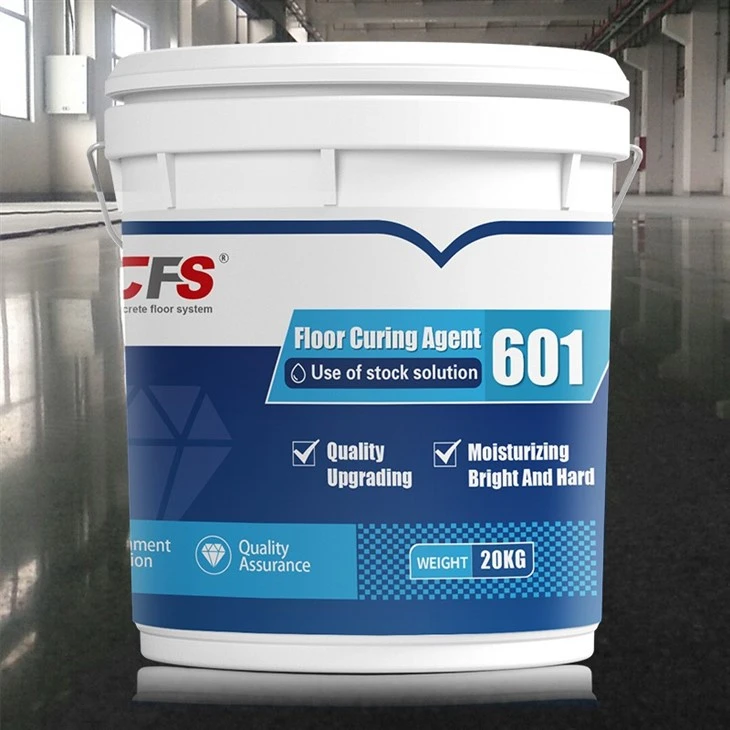

Environmental Conditions: The climate and weather conditions in a particular area play a big role. In areas with high humidity and frequent rainfall, the risk of biological growth is higher. However, our product is still effective in these conditions, but it may require more regular maintenance. On the other hand, in dry and arid regions, the risk of biological growth is lower, and the concrete dye hardener can provide long - term protection with less upkeep.
Surface Preparation: Proper surface preparation is crucial. Before applying the concrete dye hardener, the concrete surface needs to be clean and free from dirt, oil, and other contaminants. If the surface isn't properly prepared, the hardener may not bond effectively, and this can reduce its resistance to biological growth.
Application Method: The way the concrete dye hardener is applied also matters. It needs to be applied evenly and at the right thickness. If it's applied too thinly, it may not provide adequate protection. Our team can provide detailed instructions on the best application methods to ensure optimal performance.
Maintenance Tips
To keep the resistance of our Concrete Dye Hardener at its best, here are some maintenance tips:
Regular Cleaning: Regularly clean the concrete surface with a mild detergent and water. This helps remove any dirt or debris that could potentially harbor biological organisms. Avoid using harsh chemicals, as they can damage the concrete and the hardener.
Inspection: Periodically inspect the concrete surface for any signs of biological growth. If you notice any early signs, such as small patches of algae or mold, address them immediately. You can use a solution specifically designed to kill these organisms, but make sure it's compatible with our concrete dye hardener.
Re - application: Over time, the protective properties of the concrete dye hardener may wear off. Depending on the usage and environmental conditions, it may be necessary to re - apply the hardener every few years. This will ensure continued resistance to biological growth.
Conclusion
In conclusion, our Concrete Dye Hardener offers excellent resistance to biological growth. Its unique combination of hardening, coloring, and anti - microbial properties makes it a top - notch choice for both industrial and outdoor concrete applications. Whether you're looking to protect your factory floors or enhance the look of your outdoor patio, our product can help you achieve a clean, durable, and biologically - resistant concrete surface.
If you're interested in learning more about our Concrete Dye Hardener or any of our other products like the Industrial Concrete Hardener Sealer and Concrete Floor Harden Chemical, don't hesitate to reach out. We're here to answer all your questions and help you find the right solution for your concrete needs. Let's start a conversation about how we can work together to get the best results for your projects.
References
- ASTM International. (Year). Standard test methods for evaluating the performance of concrete sealers against biological growth.
- Concrete Industry Board. (Year). Guide to protecting concrete from environmental factors, including biological growth.