

Hey there! As a supplier of concrete scarifiers, I've seen firsthand how these powerful machines can transform a concrete surface. But let's be real, working with a concrete scarifier isn't a walk in the park. It comes with its fair share of risks, and that's why safety should always be your top priority. In this blog, I'm gonna share some essential safety precautions you should take when using a concrete scarifier.
Pre - operation Checks
Before you even think about firing up that concrete scarifier, you've got to do a thorough pre - operation check. This is like checking your car before a long drive. You don't want to hit the road with a flat tire or a dead battery, right?
First off, inspect the machine for any visible damage. Look for cracks in the housing, loose parts, or frayed wires. If you spot anything suspicious, don't use the machine. It's better to be safe than sorry.
Next, check the blades. The blades are the heart of the concrete scarifier. Make sure they're sharp and properly installed. Dull or loose blades can not only reduce the machine's efficiency but also pose a serious safety hazard. You can find some great options like the Road Floor Mini Milling Scarifying Machine which comes with high - quality blades designed for optimal performance.
Also, don't forget to check the fuel and oil levels. Running the machine on low fuel or oil can cause it to overheat or break down. And trust me, you don't want to be stuck in the middle of a job with a non - functioning scarifier.
Personal Protective Equipment (PPE)
PPE is a must - have when using a concrete scarifier. It's like your armor against potential injuries.
Let's start with eye protection. Concrete scarifying generates a lot of dust and debris. One tiny piece of concrete in your eye can cause serious damage. So, always wear safety goggles or a face shield. They'll keep your eyes safe from flying particles.
Hearing protection is also crucial. Concrete scarifiers are noisy machines. Prolonged exposure to loud noise can lead to hearing loss. Earplugs or earmuffs are a simple and effective way to protect your ears.
Gloves are another important piece of PPE. They'll protect your hands from cuts, abrasions, and vibrations. Look for gloves that are durable and provide a good grip.
And of course, don't forget about a hard hat. In case something falls from above or there's an unexpected impact, a hard hat can save your life.
Work Area Preparation
Preparing the work area is just as important as pre - operating the machine.
First, clear the area of any obstacles. Remove tools, debris, or any other objects that could get in the way of the scarifier or cause you to trip. A cluttered work area is an accident waiting to happen.
Mark off the work area. You can use cones or tape to create a boundary. This will prevent unauthorized access and keep other people safe.
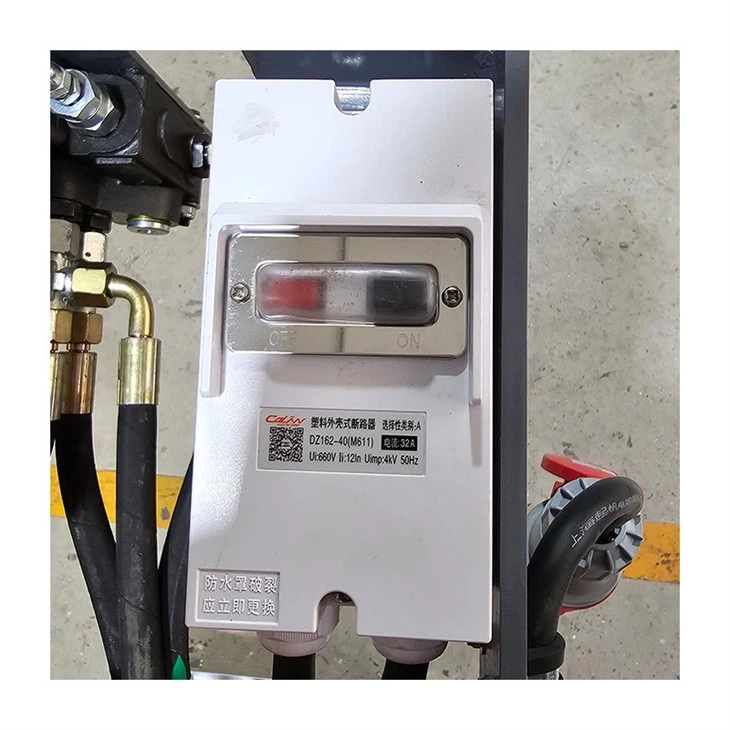

Check the surface you're going to scarify. Make sure it's stable and can support the weight of the machine. Uneven or weak surfaces can cause the scarifier to tip over or malfunction.
Operating the Scarifier
Now that you've done all the pre - work, it's time to start operating the scarifier.
Read the operator's manual. I know it sounds boring, but it's really important. The manual will give you detailed instructions on how to operate the machine safely. It'll also tell you about any specific safety features or limitations.
Start the machine in an open area. This will allow you to check if it's running smoothly before you start scarifying. Listen for any strange noises or vibrations. If you notice anything unusual, stop the machine immediately and check for problems.
When you're scarifying, keep a firm grip on the machine. The scarifier can be powerful and may try to pull away from you. Make sure you're in a stable position and have good balance.
Don't overload the machine. Each scarifier has a recommended depth and width of cut. If you try to cut too deep or too wide, you can damage the machine and increase the risk of an accident.
Maintenance and Storage
Proper maintenance and storage are key to keeping your concrete scarifier in good condition and ensuring your safety.
After each use, clean the machine thoroughly. Remove any concrete dust and debris. This will prevent the build - up of dirt, which can cause the machine to malfunction.
Regularly lubricate the moving parts. This will reduce friction and wear, and keep the machine running smoothly.
Store the scarifier in a dry and secure place. If it's going to be stored for a long time, make sure to drain the fuel and oil. This will prevent corrosion and damage to the engine.
Additional Tips
Here are some extra tips to keep in mind when using a concrete scarifier.
If you're working in a confined space, make sure there's proper ventilation. Concrete scarifying can produce harmful dust and fumes. Good ventilation will help to remove these pollutants from the air.
Be aware of your surroundings. Pay attention to other workers, equipment, and any potential hazards. If you need to move the machine, make sure you give clear signals and watch out for others.
If you're not experienced in using a concrete scarifier, consider getting some training. There are many training courses available that can teach you the proper techniques and safety procedures.
Well, there you have it! These are the main safety precautions you should take when using a concrete scarifier. Remember, safety is not an option; it's a necessity. By following these tips, you can ensure a safe and successful concrete scarifying project.
If you're in the market for a high - quality concrete scarifier, we've got you covered. We offer a wide range of products, including the Road Milling Machine Concrete Scarifier. If you have any questions or want to discuss your specific needs, don't hesitate to reach out. We're here to help you make the right choice and ensure your project goes smoothly.
References
- OSHA (Occupational Safety and Health Administration) guidelines on construction equipment safety.
- Manufacturer's manuals for concrete scarifiers.