


Why Choose Us
Our Company
CFS is a national high-tech enterprise specializing in the R&D, design, production, and sales of floor machinery, equipment, and materials in the concrete field, as well as providing engineering and technical services.
Our Products
Concrete floor grinder / industrial vacuum cleaner / floor scrubber / concrete sealer & hardener / grinder disc.
Quality Assurance
We implement a strict quality control system where each product undergoes over 12 hours of inspection to ensure superior quality.
Our Services
Our professional sales team customizes construction schemes for customers, providing floor system solutions and recommending supporting products.
What is High Speed Polishing Machine
High speed polishing machines are an upright electrical cleaning device similar to vacuum cleaners in size and shape. They are used to both clean and shine non-carpeted flooring. High speed polishing machines are typically used in hospitals, schools and businesses because they can quickly and effectively clean and polish large expanses of floor. High-speed buffers are able to polish so well due to pads that can rotate as much as 2000 revolutions per minute. The high speeds create heat, which aids in creating a bright shine. Floor buffers, especially heavy high-speed buffers, can be difficult to operate.

Polishing Concrete Floor Grinder
1. The planetary disk elf has uniform cutting force.
2. Flexible and compact, easy to transition
3. Siemens Bader motor, stable and efficient.

Model: GD-N718
Voltage: customizable
Motor: 15Kw
Frequency: 50/60Hz
Rated current: 30A

Electric machinery: 7.5kw
Electric current: 15A
Voltage: 220/380/460V
Frequency conversion: 10HP
Frequency: 50HZ/60HZ

Model: GD-HSP718
Voltage: 380V
Motor: 9.5KW
Machine Net Weight: 200kg
Work width: 27INCH

The new color matching and humanized design, unique logo and it also continue Cornus's efficient style, meet all construction environments, and enable all floor builders to use quality grinders.

Concrete Polishing Machine Floor Grinder
Model: GD-918
Voltage: customizable
Frequency: 50/60Hz
Rated current: 37A
Grinding path: 920MM

Floor Grinders Concrete Grinder
High efficiency and durability, extremely cost-effective. Double efficiency, save manpower and show strength. The first choice of quality floor construction industry and commerce.
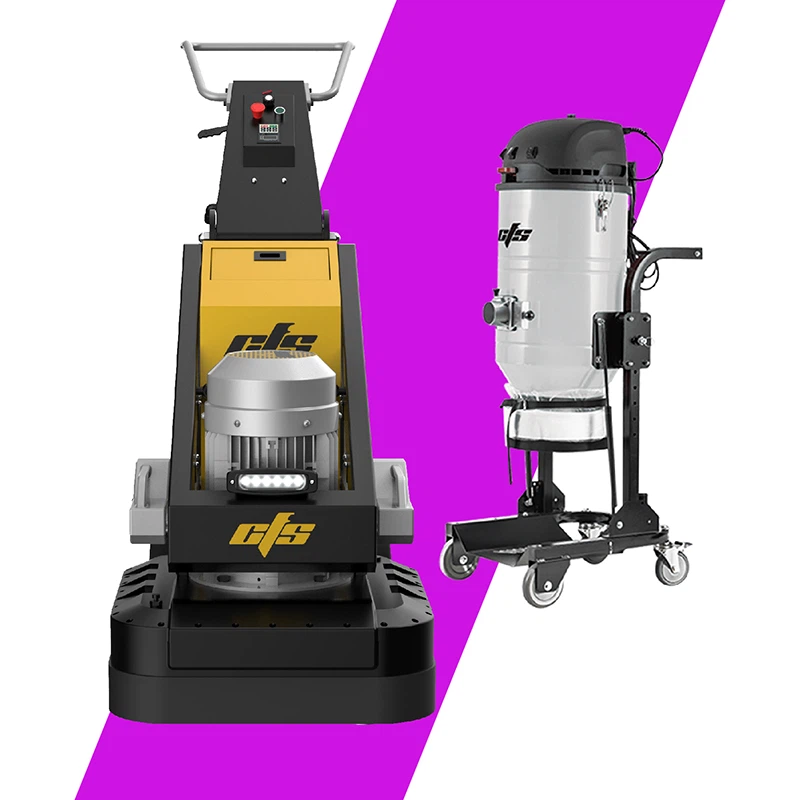
Model: GD-S718
Voltage: customizable
Frequency: 50/60Hz
Rated current: 30A
Grinding path: 700mm

Floor Concrete Grinder Machinery
Model: GD-S718D
Voltage: customizable
Frequency: 50/60Hz
Rated current: 30A
Grinding path: 700mm
Faster Cleaning
One of the main benefits of high speed polishing machines is that they are able to clean surfaces much faster than traditional cleaning methods. This makes them ideal for commercial and industrial settings where speed and efficiency are essential.
Quality Finish
High speed polishing machines are designed to leave a professional, polished finish on your floors. Not only does this make them look better, but it also improves their level of hygiene and reduces the amount of dust that can build up over time. The commercial benefits of floor cleaning machines are clear – you can get a professional finish with fewer resources and less effort.
Cost Savings
Using high speed polishing machines can save you money in the long run because they don't need to be replaced or refilled as often as other cleaning methods do. In addition, they require fewer chemicals and other cleaning products throughout their lifetime.
Healthier Environment
High foot traffic can cause floors to become dirty and dusty, which can lead to a buildup of allergens and bacteria. Using high speed polishing machines can improve air quality in your home or workplace by reducing airborne dust particles, bacteria, and allergens. This helps to create a healthier environment for everyone around you.
Versatility
High speed polishing machines come in various shapes and sizes so that they can be used on any flooring material, including tile, wood, concrete, marble, and more. This makes them an ideal choice if your property has multiple floors that need to be regularly polished. Hardwood floor and concrete floors are particularly well-suited to being polished with a high speed polishing machine, as they can remove stubborn stains and scuffs that regular cleaning may not be able to tackle.
Durability
High speed polishing machines are designed with durability in mind and can withstand high levels of wear and tear. This means they can be used for extended periods of time without needing to be replaced, saving you money in the long run. When it comes to floor maintenance, using a high speed polishing machine is one of the best ways to ensure your floors look their best. Not only do they provide a quick and easy solution for cleaning, but they also offer benefits such as cost savings and improved air quality.
Easy to Operate
High speed polishing machines are relatively easy to operate, even if you don't have a lot of experience with them. Most have user-friendly controls that make it easy to start and finish quickly.
Improved Appearance
Unpolished surfaces look dull and drab, but using a high speed polishing machine can make your floors look brand new again. Not only does this improve the overall aesthetic of your space, but it also helps to protect your floors from further damage or dirt buildup.
Types of High Speed Polishing Machine
Rotary Floor Machines
Rotary floor machines are the most commonly used floor polishing machines in Dubai. They are designed to clean and polish different types of floors, including marble, granite, and terrazzo. These machines use a rotating brush or pad to scrub and polish the floors, leaving them shiny and free of any dirt or stains.
Burnishers
Burnishers are high-speed floor polishing machines that are used to polish floors to a high shine. They are commonly used in areas with high foot traffic, such as malls, hotels, and commercial buildings. Burnishers use a high-speed pad or brush to buff and polish the floors, leaving them with a mirror-like shine.
Concrete Grinders
Concrete grinders are floor polishing machines that are designed to polish and grind concrete floors. They are commonly used in industrial settings such as warehouses and factories. Concrete grinders use diamond tools to grind and polish the concrete floors, leaving them smooth and free of any blemishes.
Types of Floor Surfaces Suitable for High Speed Polishing Machines
Hardwood
Hardwood, like oak and pine, is a common type of flooring, especially in older buildings. While it is durable, it can also be particularly sensitive to chemicals. A high speed polishing machine is a great choice for cleaning hardwood floors, even when cleaning with a chemical cleaner is necessary. It will not leave behind any residue that can damage the floor, and it can be easily adjusted to suit your needs.
Laminate
Laminate flooring is a type of engineered wood that is more durable than standard hardwood. It is often used in residential buildings, though it is also common in commercial settings. Laminate flooring has a variety of different textures, making it a great choice for any setting. A high speed polishing machine is a good choice for cleaning laminate, as it will not scratch or damage the surface.
Tile
Tile is a common type of flooring, especially in commercial settings. Tile is often a good choice for any setting, as it is durable and easy to clean. Tile is often a little more sensitive to chemicals, though, so it is a good idea to consider the type of cleaner you are using when cleaning tile with a high speed polishing machine.
Concrete
Concrete is a common type of flooring in industrial settings, warehouses, and other areas with heavy foot traffic. A high speed polishing machine is a good choice for cleaning concrete, though it is better to use a model that uses water as a cleaning agent rather than a chemical. This will help to avoid damaging or discoloring the concrete.

High speed polishing machines are great for any setting where clean floors are important, including commercial and industrial buildings. They are especially useful for larger buildings where there is a lot of foot traffic and dirt and grime are likely to build up.
● Office buildings: Office buildings see a lot of foot traffic, making them a great place to use a high speed polishing machine. This is especially true for large buildings with multiple floors.
● Warehouses: Large warehouses and industrial buildings see a lot of foot traffic, making them a great place to use a high speed polishing machine. This is also true for smaller spaces, like indoor loading docks, where there is a lot of traffic.
What Are the Preparations Before Using the Polishing Machine?
Communicate With the Users of the Space
Often overlooked but communication is key, even when using high speed polishing machines in commercial cleaning! If you're working with a client space, be sure to let the business owner, site manager or employees know that you'll be cleaning and polishing the area with a floor buffer for an estimated amount of time. Let them know that the buffer might be noisy and thus, the area will be off-limits for a while. When burnishing floors, you may want to cordon off the area and use wet floor and caution signs. There may even be insurance-related reasons where advance communication about using high speed polishing machines makes sense. A little bit of communication goes a long way towards happy customers.
Clearing the Area
Before you begin prepping to burnish a floor, clear the area of any obstacles, furniture, or debris that might hinder your access. Moving objects as you go is an inefficient way to operate and getting everything out of the way beforehand will allow for a smooth and uninterrupted burnishing process.
Inspect the Floor
Carefully inspect the floor for any visible damage, cracks, or defects. Address any repairs needed, because just like buffing, burnishing can accentuate floor imperfections. Now is the time to repair cracks and damaged sections if that is part of your service offering, to ensure a uniform finish when you finally burnish the floor.
Dust Removal
Sweeping or vacuuming the area is essential to remove loose dust, dirt, and debris. Dust particles can scratch and scuff the floor during the burnishing process, so thorough removal is crucial. Pay special attention to corners and edges. Whether you use a dust mop or a wet mop for dust control depends upon the type of material that needs to be removed.
Address Spills and Stains
If you encounter any spills or stains, take the time to clean them properly. Use appropriate cleaning agents and tools to ensure complete removal. Stains left unaddressed can become more pronounced after burnishing. In addition, sticky or gummy spills can damage pads and make your burnisher move in unplanned ways when you run over them.
Wet Cleaning
For heavily soiled areas, consider a wet cleaning process. Use a suitable floor cleaner and a mop or auto-scrubber to thoroughly clean the floor surface. Ensure that the floor is completely dry before proceeding with burnishing to prevent any slip hazards and maintain the effectiveness of the burnishing pads.
Remove Floor Finish Buildup
If there's a buildup of old floor finish or wax on the surface, it's essential to remove it before burnishing. Stripping the old finish with a floor stripper and a scrubbing machine will provide a clean canvas for the burnishing process.
Edge Cleaning
Pay close attention to edges and corners of the floor during prep. Use edge cleaning tools or a crevice attachment on your vacuum to ensure these areas are clean and free of debris.
Protect Nearby Surfaces
This one is important for avoiding angry customers! If there are nearby surfaces or objects that you want to protect from splashes or stray burnishing chemicals, use appropriate barriers such as plastic sheeting or painter's tape.
Ventilation
Ensure proper ventilation in the area, especially if you're using any chemicals during the prep process. Good airflow will help dissipate fumes and promote a healthier work environment. This is also an important consideration if you're using a propane floor burnisher.
The Proper Way to Use a High Speed Polishing Machine


Getting Started
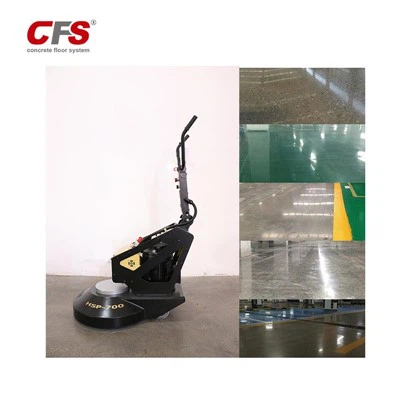
The first step is attaching the pad (or brush) to the rotating disc at the bottom of the polisher. To access it, you'll first need to lock in the buffer's handle in an upright position. Doing this allows you to lay it down horizontally against the handle to expose the bottom side. Installing the brush or pad is usually a two-second job. Some floor buffers have sticky, Velcro-like discs that quickly accept attachments. Once the brush is installed and the machine is upright once more, you can go ahead and plug it in.
How To Hold A Floor Polisher
This next step is crucial. It involves holding the floor polisher the right way. Floor polishers are typically heavy machines. They can easily weigh over 200 pounds. They can slip and get away from you if you don't grip them firmly. That's why it's a good idea to invest in a high speed polishing machine with directional wheels. It is much easier to use and transport.
In any case, here is the right way to hold a polisher machine.
First, hold the handle with both hands, then drop your hands to about waist level. You want them to hang comfortably at your sides while operating the floor buffer.
Keeping them hoisted will result in fatigue and aches, so try to extend them to a comfortable position before you begin working. Also, you should know that floor polishers are mainly controlled by lifting and lowering the handle. That means if you start with a high handle position, you'll have trouble navigating towards one direction.
Controlling A Floor Polisher
Most floor buffer machines have straightforward controls. The motor is powered by levers on either side of the handle, whereas the handle rod controls the machine's lateral movement.
To make the machine move right, you lift the handle rod, and to glide it towards the left, you lower it back down. Keeping the handle rod in a neutral position will center the polisher.
The size of the brush dictates the polisher's cleaning capacity. If it's 17 inches in diameter, for instance, then you can clean 17-inch swathes of the floor in both directions.
Stopping Suddenly
At one point, especially when you're new to polishing floors, you may have to stop operations abruptly to prevent the machine from wheeling away.
Some polishers weigh hundreds of pounds, so it's usually not safe to get in their way when they spin out of control. The safest way to stop a runaway polisher machine is by letting go of the throttle immediately. Remember, the motor won't work unless you hold the levers. That's why letting go immediately is the quickest way to kill its momentum.
The Right Way to Store It
Before wheeling the polisher back to the storage shed, first remove the brush or buffering pad. As we've seen, these are heavy machines, and subjecting the delicate brushes and pads to hundreds of pounds of weight for hours, days, or weeks will flatten some of their sides.
When that happens, the movement of the polisher becomes highly irregular. Uneven contact with the floor will lead to it vibrating uncontrollably during operation, which can be dangerous.
Always store the pads and brushes separately from the machine.
Tips for extra safety and effectiveness
● When polishing, start at the wall farthest to the door
● Always work towards the center of the floor, not away from it
● Directional wheels give better access to tight spaces
● Always clean the polishing pads and brushes after each use
How much am I willing to spend?
On average, a corded electric machine is the least expensive option, averaging about $900. Propane machines average around $3,000 per unit, and battery comes have the highest price tag at an average of $3,800.
A propane machine can tackle about 5,000 square feet in 30 minutes. A battery-powered machine will take about 45 minutes, and a corded machine just under an hour to cover the same area.
How important is maneuverability?
Burnishers are available in everything from 13- to 27-inch models (the largest sizes are typically limited to propane powered machines). The 20-inch is most popular.
Think through your job sites. Will a mid-size machine work everywhere? Do you need a smaller machine to maneuver around tight areas? Do your clients have wide-open expanses of floor that can be covered dramatically faster with a large machine? Can you financially justify having both a small and a large burnisher?
Also, a quick note about speed: Although burnishers are available from 1,500 to 3,000 rpm, there's no discernible difference in gloss between those speeds and there's less than a 5 percent reduction in labor.
How much training and maintenance are involved?
Corded machines require very little training or maintenance. You need a good pad and then your techs can basically plug it in and go.
Battery machines require battery charging with distilled water, and a 12-hour reclaim time between dead to fully charged.
Propane machines need a new liquid propane tank about every eight hours, at a cost of about $12 apiece, plus they require oil changes every 30 hours and new filters every 60 hours. They also require training to avoid potentially costly mistakes.
Do I need to easily transport the machine?
When you consider the benefits of battery-powered machinery, chief among them is likely freedom of movement. But in fact, very often battery-powered burnishers are the most difficult to transport due to their weight. They can also be difficult to maneuver on sidewalks and uneven surfaces.
If you plan to use the same burnisher in many client buildings, the best choice is likely to be a corded electric compact machine.
How important is dust control?
A growing trend in burnishers is the built-in dust-control system. These devices claim to capture more than 90 percent of airborne particulate. They can also eliminate the need for dust mopping or vacuuming the floor after burnishing, which can reduce labor costs.
On the downside, the integrated dust-control feature forces technicians to stay an inch or more away from the wall. That's because it uses a wrap-around skirt that redirects the airflow from the pad through a filter.
While many medical facilities will demand dust-control devices, many clients don't care either way so long as your technicians mop or vacuum after burnishing.
Perhaps the most common problem people have is a high speed polishing machine that refuses to turn on. Check the wall outlet first, because there's a good chance that it could be having issues. Don't be embarrassed if you find that you haven't plugged it in either, because this is a common mistake that can happen to even the experts.
There's also a pretty good possibility that you could have moved a floor scrubber forward so far that you've ended up removing the plug from the outlet. This happens to people who are working on larger floor spaces and try to move their floor scrubbers around. Simply relocating the scrubber or switching over to battery power is more than enough to solve this problem.
Assuming that it isn't something as simple as that or perhaps a loose wire going to the battery compartment, you might want to consider the possibility that your unit has been overheating and maybe shutting itself down in the process.
Our Certifications

CFS is a national high-tech enterprise specializing in the R&D, design, production and sales of floor machinery and equipment and floor materials in the concrete field, as well as engineering and technical services. CFS is always advocates the concept of quality flooring, takes the lead in introducing high-quality solidified flooring and diamond crystal flooring in the industry. Combines its own product system advantages to jointly create domestic first-class quality flooring with excellent domestic franchisees. It has provided integrated system solutions for thousands of engineering projects.

Ultimate FAQ Guide to High Speed Polishing Machine
Hot Tags: high speed polishing machine, China high speed polishing machine manufacturers, suppliers, factory, harbor freight concrete grinder, concrete grinder and polish, grinding machine for concrete, concrete grinding, high speed polishing machine, concrete sander